A Day in the Life: Lizzie Jacklin, Keeper of Art, North East Museums
As we begin a New Year and launch into 2026, we are starting an exciting new series in our Art Journal, focussing on A Day in the Life. We will be inviting a special collection of curators and conservators, art historians, property managers and academics to share more about the work they do within the extraordinary collections that remain available to us.
This month, we had the great pleasure to interview Lizzie Jacklin, who is Keeper of Art at North East Museums. She is based at the Laing Art Gallery in Newcastle, where her recent exhibitions have included Turner: Art, Industry & Nostalgia (10 May-7 September 2024), and Miniature Worlds: Little Landscapes from Thomas Bewick to Beatrix Potter (18 October 2025-28 February 2026). She previously held curatorial roles at Tate Britain and the V&A. Lizzie enjoys working with British art and illustration of all periods and has a long-term interest in works on paper.
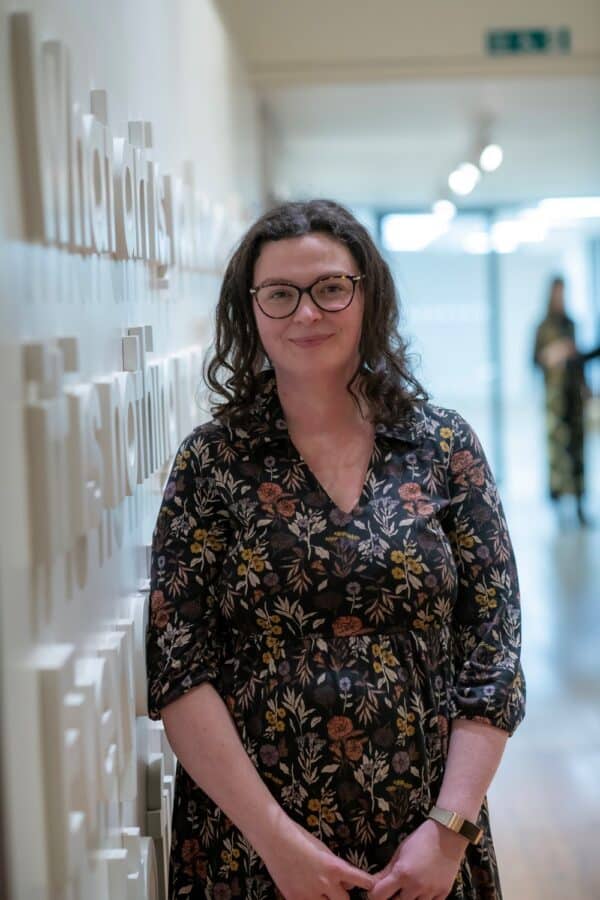
Lizzie Jacklin, Keeper of Art, Laing Art Gallery & Hatton Gallery, North East Museums (formerly Tyne & Wear Archives & Museums)
How does a good day begin: Always with coffee!
What is the first thing you do when you start work: I try to clear things from my inbox that can be dealt with straightaway, so that the emails don’t build up too much.
What are you currently working on: In addition to looking after the collections in our care, I’m working on various exhibitions. Big exhibitions are usually a few years in the making, so different projects are always at different stages. A key focus at the moment is our autumn exhibition at the Laing Art Gallery, Pre-Raphaelites: Art and Poetry. This will see dozens of amazing Pre-Raphaelite objects come to Newcastle on loan, from drawings by Elizabeth Siddal to a tapestry designed by William Morris. I think it will be a very special experience.
What does your job continue to teach you: I seem to learn something new about the collection most days thanks to answering enquiries or coming across things in the stores. I’m also constantly learning from audience feedback about how we can put on exhibitions that work for as many of our visitors as possible.
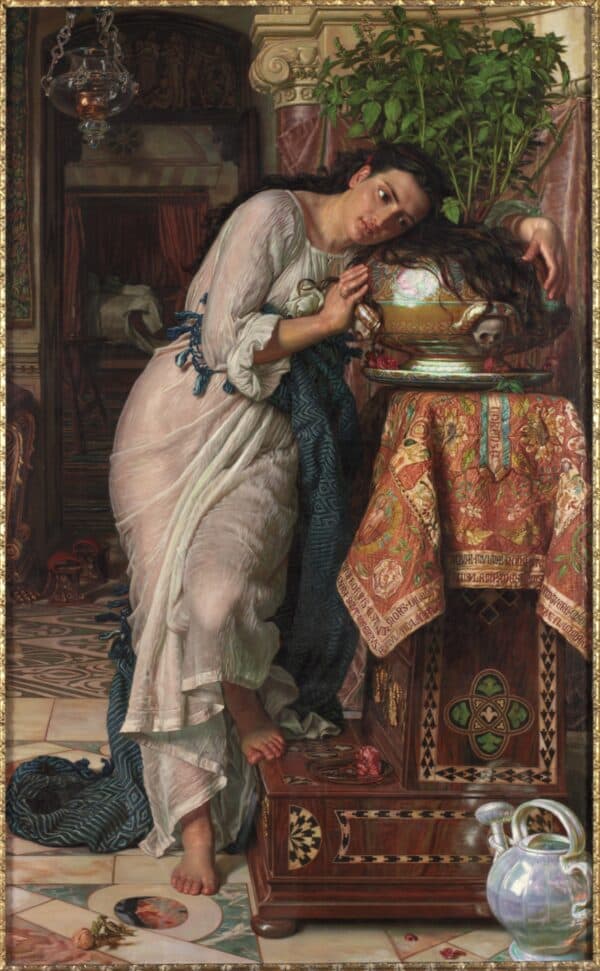
William Holman Hunt, Isabella and the Pot of Basil, 1867, oil on canvas. Laing Art Gallery, North East Museums.
Influential piece/s of art and why do they mean so much to you: The upcoming Pre-Raphaelite exhibition was inspired by the two major Pre-Raphaelite pictures in the Laing’s collection, William Holman Hunt’s Isabella and the Pot of Basil and Edward Burne-Jones’s Laus Veneris. Isabella in particular means a lot to me because I used to visit the Laing to look at it when I was at school, and then again when I was a student. The subject matter of the picture is very sad (the ‘pot of basil’ of the title contains the head of Isabella’s murdered lover), but it’s a visitor favourite anyway. I think this is because wherever you look on the canvas, the detail is breath-taking. I know I’m far from the only person in Newcastle to be very fond of our Isabella! What a privilege to be planning an exhibition that further explores this picture. I am looking forward to seeing it in relation to some preparatory studies Hunt made for the picture, as well as alongside words from the Keats poem that inspired it.
Most productive part of your day: I’m more of a morning person than an afternoon one (after the coffee, anyway!).
Essential skills or training for your role: There isn’t a single fixed route to becoming an art curator; I was fortunate to enter the sector through paid internships that allowed me to train on the job, then spent several years working as an Assistant Curator. Curators need good organisational skills as well as the ability to research, write and talk about objects in a way that can be understood by a broad audience, plus care and patience when it comes to object handling. For curating exhibitions, creativity is also great.
How do you decompress once you finish work: I like to read on the train and try to keep my train reading time for fiction rather than work-related books (of which there are many!). I am reading the latest instalment of Pat Barker’s Women of Troy series at the moment.
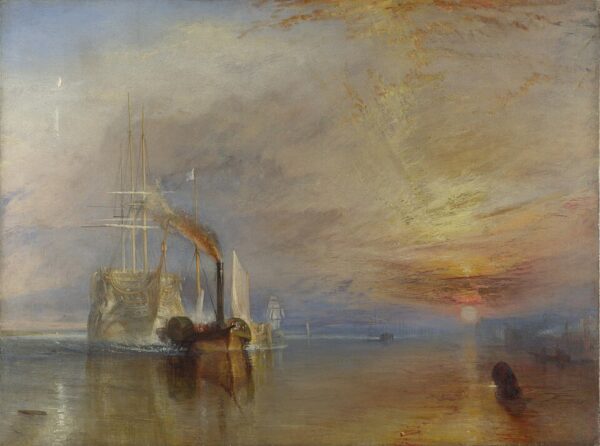
The Fighting Temeraire, JMW Turner, National Gallery.
Looking back, what remains your most rewarding professional experience: In 2024 we worked with the National Gallery to bring Turner’s Fighting Temeraire to the North East. To be able to display this picture in the North East for the first time was a real highlight, especially as the exhibition around it, Turner: Art, Industry & Nostalgia, seemed to resonate with lots of visitors in terms of our shared regional heritage. Having said this, I think everyday things are just as important as the higher profile projects: any time someone says they or someone they know engaged with an artwork in the gallery it is genuinely rewarding.
If you could take any piece of artwork home with you for a weekend, what would it be: I’m not sure it would fit in my house, but we’re currently displaying an enormous woodcut by Emma Stibbon, Whaling Station, Deception Island, which I just love. It is part of our free exhibition Sublime Landscapes.
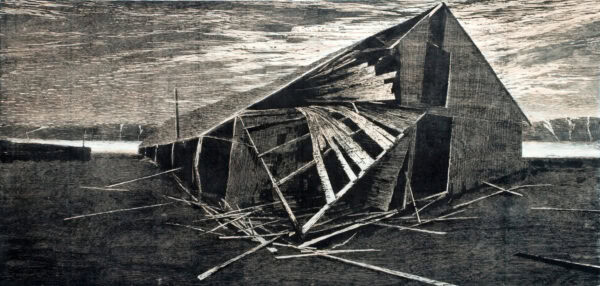
Emma Stibbon, Whaling Station, Deception Island, 2007, woodcut on paper. Laing Art Gallery, North East Museums. Courtesy artist and Cristea Roberts Gallery, London © Emma Stibbon
******
If you would like to discover more about the collections and exhibitions in the North East Museums,
please click on these links to the Laing Art Gallery and Hatton Gallery